
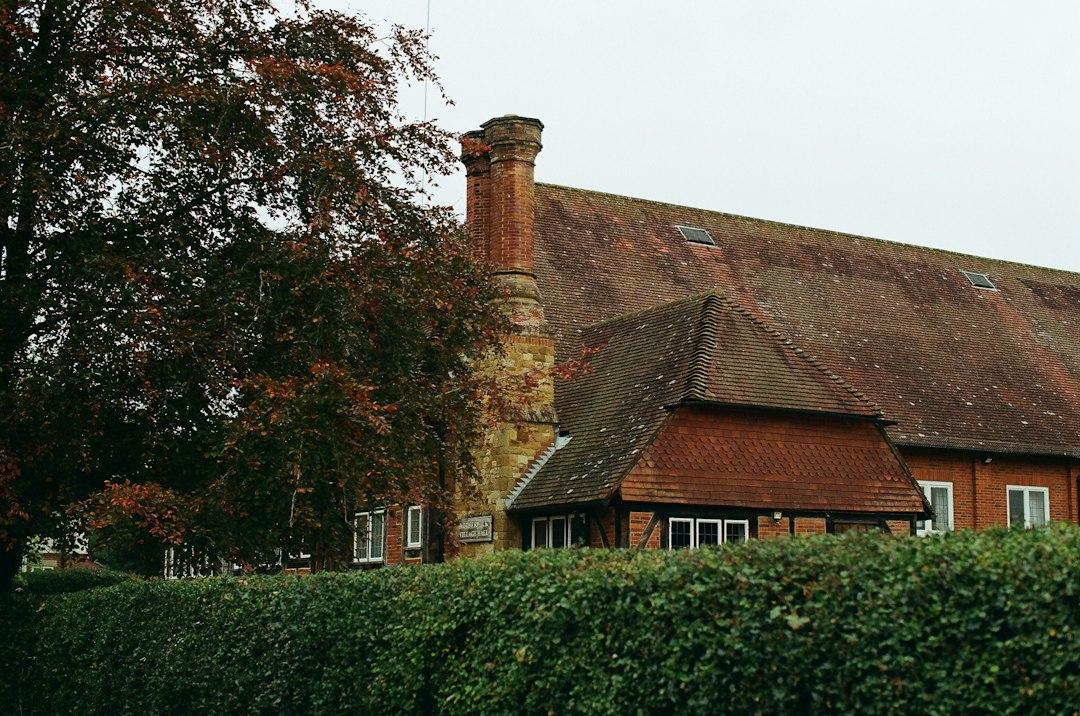
Gas Fireplace Cleaning in Buena Park
What Have You Noticed?
Scratching, chirping, a smell or debris on the grate: say which, and roughly where the chimney sits on the roof. We call back to set the visit.
On This Visit
Gas units draw in more than you would think. Spiders spin across the pilot, lint gathers in the burner ports, and birds build inside a vent outlet with no screen. Any of that can mean a weak flame or a pilot that drops out. We clear the burner and pilot, open the vent cap and check its screen, place the logs where the diagram shows and wipe the glass, then take a carbon monoxide reading.
Small Tenants in a Gas Fireplace
A gas fireplace has no ash and no creosote, so owners assume it needs nothing. It is quiet for most of the year, though, and quiet, warm, sheltered spaces attract small animals. Spiders like the tubes that mix air into the gas before it reaches the burner, and a web or egg sac in there can make the flame lazy, yellow and sooty. Mice and rats find their way into the space under the firebox where the gas valve and wiring sit, build nests out of insulation and paper, and sometimes chew the wires to the igniter or the remote receiver. On direct vent units, which vent straight out through the wall, birds and wasps take a liking to the vent cap on the outside of the house. In Buena Park and Cerritos, where many homes from the 1980s onward have gas fireplaces that see only a few weeks of use each winter, those are the problems we see most when the fireplace is first turned on in autumn.
First the gas valve goes off, and we wait until the firebox metal has cooled enough to handle. Any glass front unclips and goes on a blanket; the ceramic logs follow, laid out on the floor in their original arrangement, because where each one sits shapes the flame. The burner ports and the air mixing tubes are cleared, the pilot assembly is brushed and blown out, and the space under the firebox is checked and vacuumed, with any nest material removed. Logs are brushed clean of soot and dust, and replaced in the pattern the maker shows. The glass is cleaned inside and out. Outside, we look at the vent cap on direct vent units or the top of the chimney on units that vent up an old flue, and clear any nest or debris there. Then we relight, watch the flame, and check for gas leaks at the fittings we touched.
Signs a Gas Unit Needs a Cleaning
The flame tells you most of what you need to know. A healthy flame on a vented gas fireplace is mostly blue at the base with yellow tips, and it should stand up evenly along the burner. A flame that is tall, orange and floppy, that leaves black streaks on the logs or the glass, or that burns unevenly with gaps along the burner usually means blocked ports or a mixing tube with something in it. A white or grey haze on the glass that does not wipe off is mineral film from the gas and needs a cleaner made for it. A smell of burning dust the first time the fireplace runs each year is normal for a few minutes. A smell that lingers, or a smell of burning plastic or hair, can mean a nest under the unit or wiring that has been chewed. Ticking with no flame, or a pilot that will not stay lit, may need a repair as well as a cleaning.
The visit ends with a check, not just a wipe. With the fireplace running we watch the flame, look at whether the glass seals on its frame, and take a carbon monoxide reading in the room. If we find a part that is worn, cracked or chewed, we tell you what it is and give a written price for the repair before anything is changed, and when a model has gone out of production and its spares with it, the write-up makes that plain. A smell of gas at any point is a different matter. It is not something to book a visit for: get everybody outdoors, leave light switches and phones untouched until you are clear of the house, and call your gas provider from there. After their crew has dealt with the supply, our visit can focus on the fireplace itself.
How Rand Chimney Sweep Handles It
Empty Before We Brush
We confirm nothing alive is in the flue first
Way In Found
Every visit names the gap an animal used
Price on Paper
Repairs and caps written up before work
Photos Kept
Pictures of what we saw go in your report
Gas Fireplace Cleaning near you
Choose a city for notes on its rooftops, its weather and what tends to move into its chimneys.
CA
Gas Fireplace Cleaning in Buena Park
Decades on a 1950s or 1960s tract roof give a pair of birds plenty of time to spot an open flue. Chirping or flapping down by the firebox? A sweep pulls the nest and a fitted cap shuts the door on the next pair.
Local pageCA
Gas Fireplace Cleaning in Cerritos
Stand in the yard of a two-story house and the chimney top is way up there, so a squirrel or pigeon living under a loose cap can go unseen. Rand fits mesh-sided caps: smoke out, wildlife kept off.
Local pageCA
Gas Fireplace Cleaning in La Habra
A brick or block fireplace is likely in the usual ranch house here, and raccoons like nothing more than an uncapped masonry flue. Scratching overhead or a musky smell at the hearth says a tenant moved in; we evict it and cap the top.
Local pageCA
Gas Fireplace Cleaning in Garden Grove
Where orchard rows once stood, the tract chimneys of the postwar boom can stack years of leaves, twigs and nest scraps on the smoke shelf. Rand sweeps that pile out and screens the top.
Local pageCA
Gas Fireplace Cleaning in Placentia
Old Town's early 1900s houses hold the oldest chimneys around, and aging masonry offers wasps, mice and birds more gaps. Newer homes want a snug cap too, since 60% of the housing here predates 1980.
Local pageMore Chimney and Fireplace Work
Chimney Sweep
Soot, creosote, old nests and wind-blown leaves brushed and vacuumed out of the flue, from the firebox up to the cap.
Read more →Chimney Inspection
A visual check of the flue, firebox, crown, cap and screen that shows how animals, water or debris are getting inside.
Read more →Chimney Repair
Repairs to the crown, upper brick, flashing and damper once animals, nests or years of rain have worked them loose.
Read more →Fireplace Inspection
A close check of the firebox, damper, smoke shelf and hearth for droppings, nest debris, odors and heat damage.
Read more →Fireplace Repair
Cracked firebrick, open joints, warped dampers and loose doors repaired, so the fireplace closes off and burns as it should.
Read more →Chimney Level 2 Inspection
Every flue tile filmed and the hidden sections above the ceiling looked at, priced at $405, when a nest or sale calls for proof.
Read more →Chimney Cap Installation
Caps with a mesh screen that keep birds, raccoons, rats and leaves out of the flue while smoke and heat still get out.
Read more →Chimney Flashing Repair
Torn, lifted or rusted roofline metal around the chimney replaced, closing both the leak and the gap animals use.
Read more →Chimney Masonry Repair
Open mortar joints, broken brick and loose top courses repaired, closing the gaps where water, wasps and rodents get a hold.
Read more →Chimney Rebuilds
Leaning, loose or quake-cracked stacks taken down to firm courses and laid again, with a screened cap fitted on top.
Read more →Fireplace Cleaning
Ash, soot, fallen nest debris and droppings cleared from the firebox, grate, damper and doors, without dust in the room.
Read more →Gas Fireplace Repair
Pilot, valve, ignition and vent faults found with a meter and fixed, including vents blocked by nests or debris.
Read more →Fireplace Remodel
New surrounds, hearths and mantels, with the damper and cap sorted first so the finished fireplace stays closed to animals.
Read more →Fireplace Inserts
Wood, pellet and gas inserts fitted into an old firebox, lined to the top and capped so no animal can get down.
Read more →Pellet Stove Repair
Jammed augers, failed igniters, tired blowers and blocked vent pipes found and fixed on pellet stoves and pellet inserts.
Read more →Wood Stove Repair
Gaskets, firebrick, baffles and glass renewed, and the stovepipe capped and screened so birds cannot drop in.
Read more →Gas Logs
Gas log sets fitted into a wood firebox, with the flue checked and capped first so nesting does not block the vent.
Read more →Chimney Seismic Retrofit
Bracing, strapping or a lighter rebuilt top for brick chimneys that could break loose in a strong earthquake.
Read more →Chimney Crown Repair
Cracked or crumbling crowns sealed or cast again, so water and animals stop finding a way in at the top.
Read more →Dryer Vent Cleaning
Lint, nests and rodent bedding cleared from the dryer duct, with the outside flap checked and guarded against birds.
Read more →Chimney Liner Installation
Stainless liners run through cracked or bare flues and finished under a screened cap, so smoke stays in and animals stay out.
Read more →Chimney Leak Repair
Leaks around the chimney traced to their source, whether a missing cap, cracked crown, lifted flashing or soaked brick.
Read more →Chimney Waterproofing
A breathable water repellent on firm brick, applied after the top and the flashing are already closed against water.
Read more →Chimney Damper Repair
Bent, rusted and jammed dampers repaired or replaced, including top-mounted dampers that close the flue to animals and air.
Read more →Chimney Chase Cover
Rusted or sagging chase tops replaced with stainless, closing the gaps where rain, birds and rodents get into the chase.
Read more →