
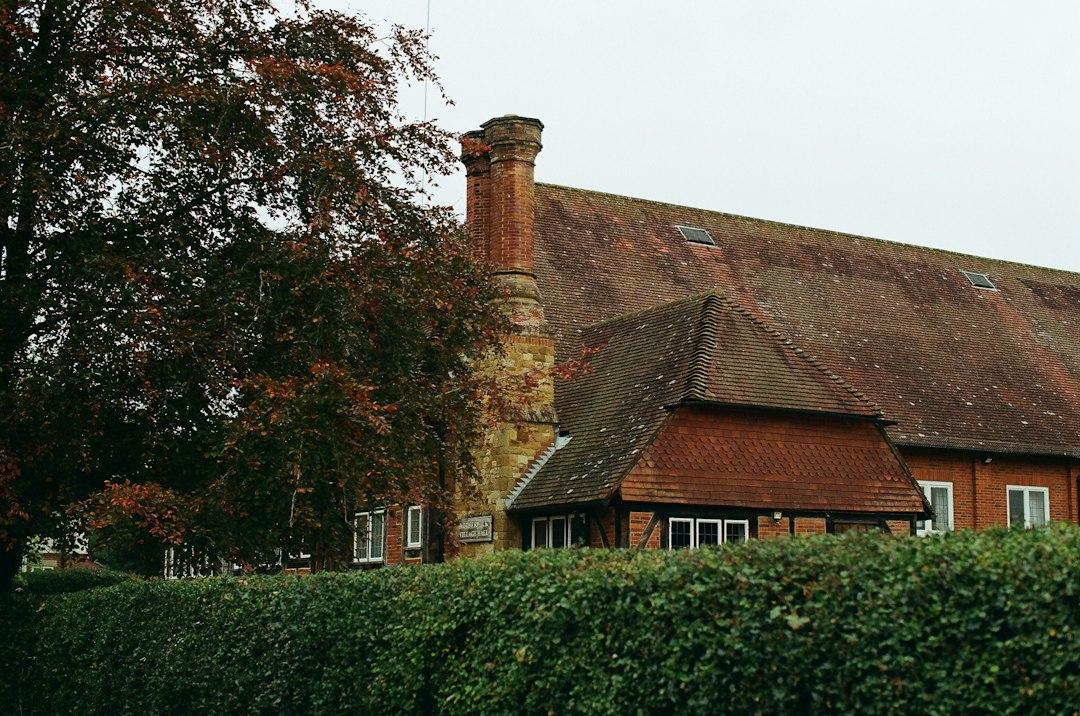
Chimney Waterproofing in Buena Park
What Have You Noticed?
Scratching, chirping, a smell or debris on the grate: say which, and roughly where the chimney sits on the roof. We call back to set the visit.
On This Visit
Brick drinks water. In a wet winter that water carries salts to the surface, loosens mortar and stains the inside wall. A repellent slows that down, but it only helps a chimney that is already closed at the top. So we look at the cap, crown and flashing first, fill any open joints, then spray a breathable product that keeps out rain without trapping vapor in the brick. Pricing comes in writing after we see the stack.
Why Brick Needs Help in the Rain
People think of brick as solid, but brick and mortar both take in water, and a chimney stands alone in the weather with rain hitting it from every side. In a wet winter the brick above the roof can stay damp for weeks. That water does slow damage. It washes salts out of the brick that leave white crust on the surface. It softens mortar. It rusts the steel damper and any metal near the top. When the brick is wet and the sun then bakes it, faces flake off. In shady spots on the north side of a chimney, moss and algae take hold. And damp brick near the top attracts the same animals that like a wet nest site, with insects living in soft mortar drawing birds that pick at it. Waterproofing is a way to slow all of this by stopping the brick from soaking up rain in the first place.
The product we use is a clear repellent made for masonry that sinks into the surface instead of sitting on top as a film. Rain stops wicking in, yet vapor can still escape, so dampness already in the brick keeps drying out. That second part matters: a paint or a glossy sealer traps moisture behind it, and trapped water causes the very flaking and crumbling you wanted to avoid. A good repellent does not change the look of the brick much, and it lasts a number of years before it needs doing again. It is not a fix for open joints, a cracked crown, failed flashing or a missing cap, and it does not stop water coming down an open flue. It works on brick that is already in good order, as the final step.
The Order of Work and the Price
Waterproofing is the last coat, not the first fix, so the visit begins with the rest of the chimney. We look at the joints, the crown, the flashing, the cap and the face of the brick. If anything is open or broken, it is repaired first: repointing, crown repair, flashing, a cap with mesh if there is none. Applying a repellent over open joints does nothing for the joints and can trap water behind the surface. Once the masonry is sound and has dried out, we clean the face, protect the roof and nearby surfaces, and apply the repellent in an even coat over the whole stack above the roof, and over other exposed brick where it helps. For chimneys in Buena Park and Placentia, where winter storms come in bursts with dry weeks between, we plan the work for a stretch of dry weather so the brick is dry when the repellent goes on.
There is no published price for waterproofing, because it depends on the size of the stack, how much of it is exposed, how easy it is to reach, and what repairs have to come first. After the roof visit you get a written price with the repairs and the waterproofing listed separately, so you can see what each part costs and decide. Many owners pair waterproofing with a new cap, since a cap keeps water off the inside of the chimney and the repellent keeps it out of the brick, and between them they cover the two routes rain takes into a stack. If birds or rats have been getting into the chimney, the cap also closes that door, which saves you calling us back next spring for a nest.
How Rand Chimney Sweep Handles It
Empty Before We Brush
We confirm nothing alive is in the flue first
Way In Found
Every visit names the gap an animal used
Price on Paper
Repairs and caps written up before work
Photos Kept
Pictures of what we saw go in your report
Chimney Waterproofing near you
Choose a city for notes on its rooftops, its weather and what tends to move into its chimneys.
Nothing on our list by that name. Try the city next door, or ask through the contact page.
More Chimney and Fireplace Work
Chimney Sweep
Soot, creosote, old nests and wind-blown leaves brushed and vacuumed out of the flue, from the firebox up to the cap.
Read more →Chimney Inspection
A visual check of the flue, firebox, crown, cap and screen that shows how animals, water or debris are getting inside.
Read more →Chimney Repair
Repairs to the crown, upper brick, flashing and damper once animals, nests or years of rain have worked them loose.
Read more →Fireplace Inspection
A close check of the firebox, damper, smoke shelf and hearth for droppings, nest debris, odors and heat damage.
Read more →Fireplace Repair
Cracked firebrick, open joints, warped dampers and loose doors repaired, so the fireplace closes off and burns as it should.
Read more →Chimney Level 2 Inspection
Every flue tile filmed and the hidden sections above the ceiling looked at, priced at $405, when a nest or sale calls for proof.
Read more →Chimney Cap Installation
Caps with a mesh screen that keep birds, raccoons, rats and leaves out of the flue while smoke and heat still get out.
Read more →Chimney Flashing Repair
Torn, lifted or rusted roofline metal around the chimney replaced, closing both the leak and the gap animals use.
Read more →Chimney Masonry Repair
Open mortar joints, broken brick and loose top courses repaired, closing the gaps where water, wasps and rodents get a hold.
Read more →Chimney Rebuilds
Leaning, loose or quake-cracked stacks taken down to firm courses and laid again, with a screened cap fitted on top.
Read more →Fireplace Cleaning
Ash, soot, fallen nest debris and droppings cleared from the firebox, grate, damper and doors, without dust in the room.
Read more →Gas Fireplace Cleaning
Burner, pilot, vent cap and glass cleaned, with spider webs, lint and nests cleared from the parts that need air.
Read more →Gas Fireplace Repair
Pilot, valve, ignition and vent faults found with a meter and fixed, including vents blocked by nests or debris.
Read more →Fireplace Remodel
New surrounds, hearths and mantels, with the damper and cap sorted first so the finished fireplace stays closed to animals.
Read more →Fireplace Inserts
Wood, pellet and gas inserts fitted into an old firebox, lined to the top and capped so no animal can get down.
Read more →Pellet Stove Repair
Jammed augers, failed igniters, tired blowers and blocked vent pipes found and fixed on pellet stoves and pellet inserts.
Read more →Wood Stove Repair
Gaskets, firebrick, baffles and glass renewed, and the stovepipe capped and screened so birds cannot drop in.
Read more →Gas Logs
Gas log sets fitted into a wood firebox, with the flue checked and capped first so nesting does not block the vent.
Read more →Chimney Seismic Retrofit
Bracing, strapping or a lighter rebuilt top for brick chimneys that could break loose in a strong earthquake.
Read more →Chimney Crown Repair
Cracked or crumbling crowns sealed or cast again, so water and animals stop finding a way in at the top.
Read more →Dryer Vent Cleaning
Lint, nests and rodent bedding cleared from the dryer duct, with the outside flap checked and guarded against birds.
Read more →Chimney Liner Installation
Stainless liners run through cracked or bare flues and finished under a screened cap, so smoke stays in and animals stay out.
Read more →Chimney Leak Repair
Leaks around the chimney traced to their source, whether a missing cap, cracked crown, lifted flashing or soaked brick.
Read more →Chimney Damper Repair
Bent, rusted and jammed dampers repaired or replaced, including top-mounted dampers that close the flue to animals and air.
Read more →Chimney Chase Cover
Rusted or sagging chase tops replaced with stainless, closing the gaps where rain, birds and rodents get into the chase.
Read more →