
Chimney Seismic Retrofit in Buena Park
What Have You Noticed?
Scratching, chirping, a smell or debris on the grate: say which, and roughly where the chimney sits on the roof. We call back to set the visit.
On This Visit
Homes around here rode out the 1987 Whittier Narrows and 1994 quakes, and old brick chimneys cracked in both. A stack that rocks above the roof can come down through it. We check the brick, the mortar and how the chimney meets the house, then set out the choices: bracing on the roof, straps at the framing, or a lighter top in place of the brick. Options and prices come on paper.
Why Old Brick Chimneys Worry Us in a Quake
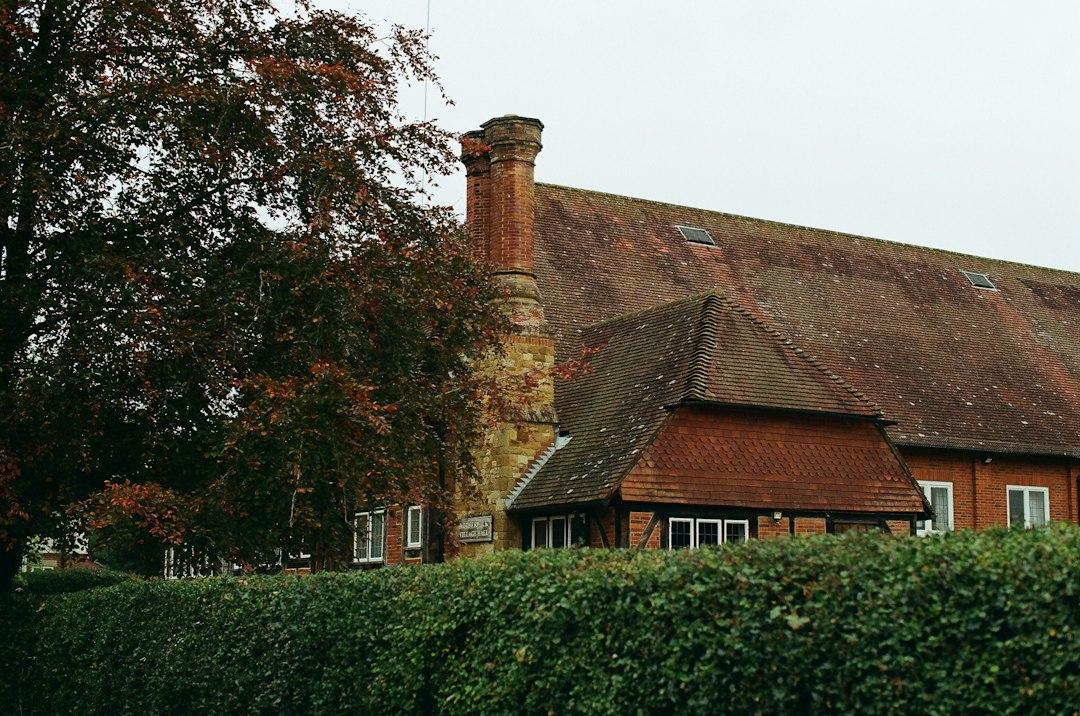
Picture what a chimney is during shaking: a slim stack of bricks and mortar, often with no steel in it at all, rising well clear of a roof that flexes and sways. The wood frame of the house bends and recovers. The brick cannot bend, so it cracks, usually where the stack leaves the roof, and the part above can rock loose and fall onto the roof, the yard or the driveway. Older homes in Buena Park, Fullerton and La Habra have ridden out the 1987 and 1994 quakes, and plenty of stacks came out with cracks that were never repaired. Add decades of rain finding those cracks, mortar softened by nesting birds and burrowing rats, and the odd raccoon pulling at the top courses, and the upper part of the chimney is often weaker now than it was the day the last quake ended.
A retrofit visit starts on the roof. We look at how tall the stack stands above the roof, whether the top courses are loose, whether the mortar is sound, and whether there are cracks right through. Up in the attic, we note the gap between the brick and the framing, and any old tie that already holds the two together. We check the flue from below, since a retrofit is a good moment to deal with a liner or a cap as well. Then you get a written quote that sets out the options that suit your chimney, what each involves, and what each costs. If the top courses are loose enough to be a danger now, we tell you that first, and that part of the work comes before anything else, since bracing loose brick does not make it safer.
Bracing, Straps and Lowering the Stack
Retrofit work comes in a handful of forms, and height, brick condition and whether anyone still lights fires all steer the pick. Bracing means a diagonal steel member: its upper end fixed high on the stack, its lower end fixed into the rafters, so the exposed column cannot whip back and forth. Straps are flat steel collars screwed into joists and studs wherever the masonry passes them, pulling the brick snug to the house so both move together. Lowering the stack takes the brick above the roof down and either ends the chimney lower with a metal flue and cap or closes it off if the fireplace is no longer used. Sometimes the answer is a mix, such as lowering a very tall stack and bracing what is left, or rebuilding the top with steel set into it.
None of these is a code fix or a rebate program, and we do not claim either. A retrofit is a practical step to reduce the chance that bricks fall when the ground moves, and it is priced on what your chimney needs. The quote lists the method, the materials, any repairs to the brick that have to come first, and any permit the city may require for the work. If the stack is lowered and the fireplace is still wanted, the quote includes the liner or flue and the cap needed to keep using it. Because every chimney is different, there is no published price for this service; the figure comes from the roof visit. If you are selling or buying an older house and the chimney has come up in an inspection, the up to code page explains how we set out the work for a sale.
How Rand Chimney Sweep Handles It
Empty Before We Brush
We confirm nothing alive is in the flue first
Way In Found
Every visit names the gap an animal used
Price on Paper
Repairs and caps written up before work
Photos Kept
Pictures of what we saw go in your report
Chimney Seismic Retrofit near you
Choose a city for notes on its rooftops, its weather and what tends to move into its chimneys.
Nothing on our list by that name. Try the city next door, or ask through the contact page.
More Chimney and Fireplace Work
Chimney Sweep
Soot, creosote, old nests and wind-blown leaves brushed and vacuumed out of the flue, from the firebox up to the cap.
Read more →Chimney Inspection
A visual check of the flue, firebox, crown, cap and screen that shows how animals, water or debris are getting inside.
Read more →Chimney Repair
Repairs to the crown, upper brick, flashing and damper once animals, nests or years of rain have worked them loose.
Read more →Fireplace Inspection
A close check of the firebox, damper, smoke shelf and hearth for droppings, nest debris, odors and heat damage.
Read more →Fireplace Repair
Cracked firebrick, open joints, warped dampers and loose doors repaired, so the fireplace closes off and burns as it should.
Read more →Chimney Level 2 Inspection
Every flue tile filmed and the hidden sections above the ceiling looked at, priced at $405, when a nest or sale calls for proof.
Read more →Chimney Cap Installation
Caps with a mesh screen that keep birds, raccoons, rats and leaves out of the flue while smoke and heat still get out.
Read more →Chimney Flashing Repair
Torn, lifted or rusted roofline metal around the chimney replaced, closing both the leak and the gap animals use.
Read more →Chimney Masonry Repair
Open mortar joints, broken brick and loose top courses repaired, closing the gaps where water, wasps and rodents get a hold.
Read more →Chimney Rebuilds
Leaning, loose or quake-cracked stacks taken down to firm courses and laid again, with a screened cap fitted on top.
Read more →Fireplace Cleaning
Ash, soot, fallen nest debris and droppings cleared from the firebox, grate, damper and doors, without dust in the room.
Read more →Gas Fireplace Cleaning
Burner, pilot, vent cap and glass cleaned, with spider webs, lint and nests cleared from the parts that need air.
Read more →Gas Fireplace Repair
Pilot, valve, ignition and vent faults found with a meter and fixed, including vents blocked by nests or debris.
Read more →Fireplace Remodel
New surrounds, hearths and mantels, with the damper and cap sorted first so the finished fireplace stays closed to animals.
Read more →Fireplace Inserts
Wood, pellet and gas inserts fitted into an old firebox, lined to the top and capped so no animal can get down.
Read more →Pellet Stove Repair
Jammed augers, failed igniters, tired blowers and blocked vent pipes found and fixed on pellet stoves and pellet inserts.
Read more →Wood Stove Repair
Gaskets, firebrick, baffles and glass renewed, and the stovepipe capped and screened so birds cannot drop in.
Read more →Gas Logs
Gas log sets fitted into a wood firebox, with the flue checked and capped first so nesting does not block the vent.
Read more →Chimney Crown Repair
Cracked or crumbling crowns sealed or cast again, so water and animals stop finding a way in at the top.
Read more →Dryer Vent Cleaning
Lint, nests and rodent bedding cleared from the dryer duct, with the outside flap checked and guarded against birds.
Read more →Chimney Liner Installation
Stainless liners run through cracked or bare flues and finished under a screened cap, so smoke stays in and animals stay out.
Read more →Chimney Leak Repair
Leaks around the chimney traced to their source, whether a missing cap, cracked crown, lifted flashing or soaked brick.
Read more →Chimney Waterproofing
A breathable water repellent on firm brick, applied after the top and the flashing are already closed against water.
Read more →Chimney Damper Repair
Bent, rusted and jammed dampers repaired or replaced, including top-mounted dampers that close the flue to animals and air.
Read more →Chimney Chase Cover
Rusted or sagging chase tops replaced with stainless, closing the gaps where rain, birds and rodents get into the chase.
Read more →