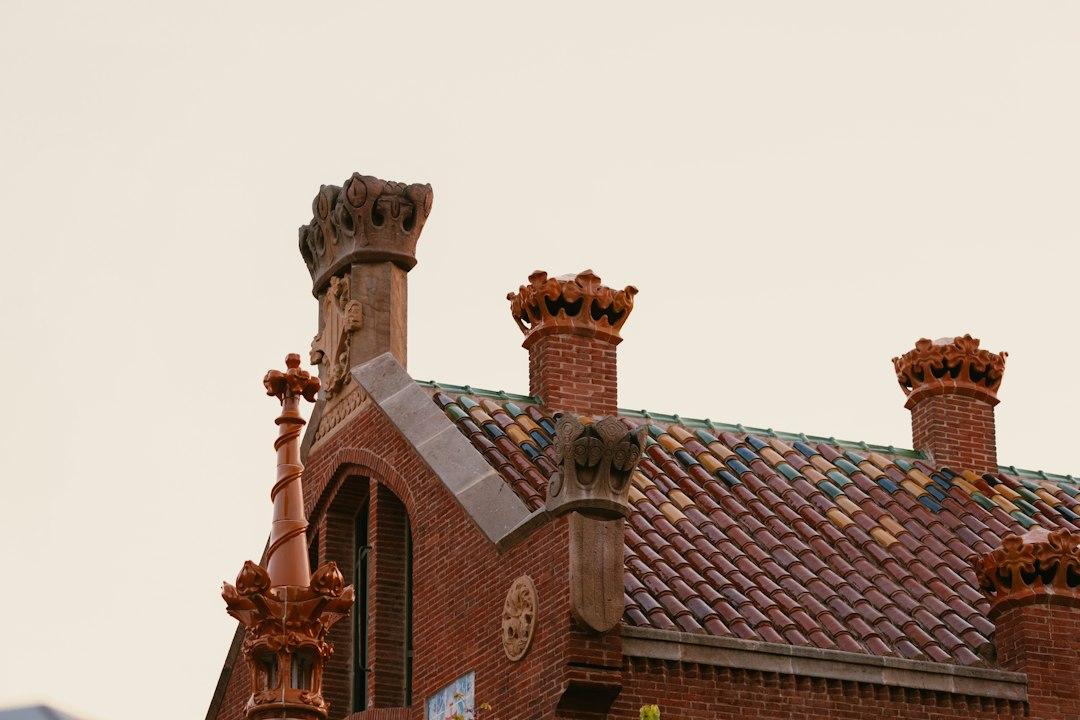
Where the water shows up
A flashing leak almost never shows up where it starts. Owners in Buena Park tell us about a brown patch on the ceiling by the fireplace wall, a drip that only comes with a south wind, a musty corner in a closet that shares a wall with the chimney, or wet insulation they found while chasing a rat in the attic. By the time water reaches the room, it has run along a rafter, soaked a joist and found the lowest point in the drywall.
That is why leak work costs what it does, and why the price range is wide. This post covers what we charge for the three most common fixes at the roofline, and how we decide which one your house needs.
The three prices
| The fix | Our price |
|---|---|
| Tracking the leak to its source and sealing it | $580 to $3,450 |
| A diverter built behind a wide stack | $460 to $1,040 |
| That diverter plus all new metal around the stack | $695 to $1,700 |
Those are our published figures. Anything else on the chimney that turns out to be part of the leak, such as a cracked crown or porous brick, gets its own written price once we have seen it.
Flashing in plain terms
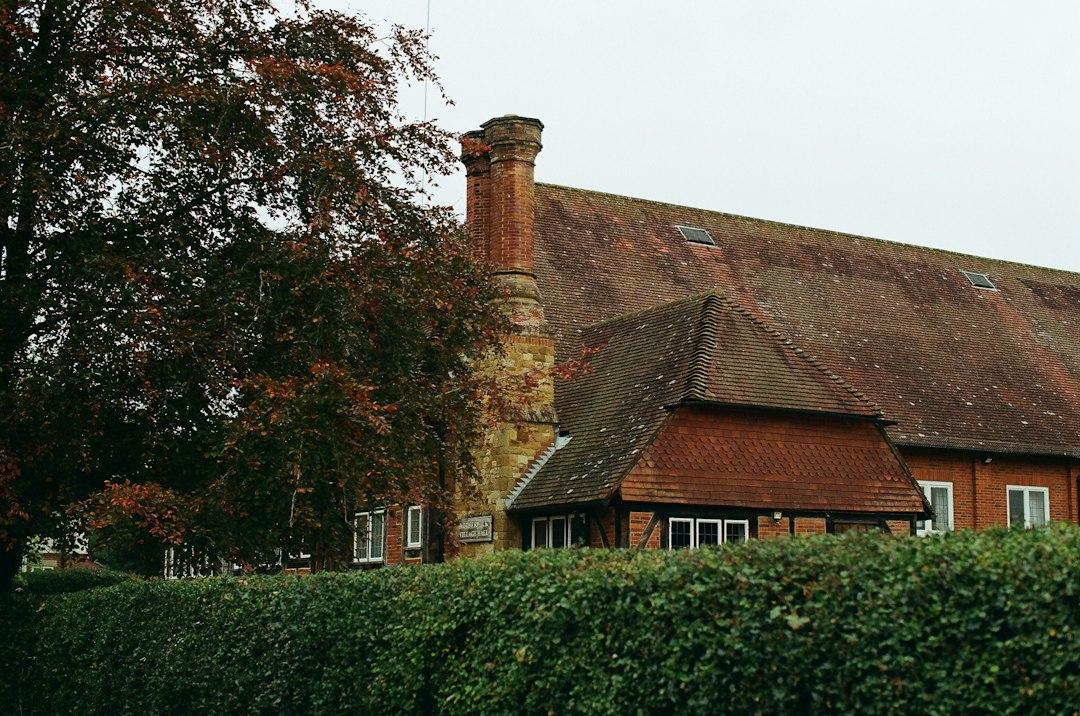
Flashing is the sheet metal that bridges the joint between the brick and the roof. The roof and the chimney move separately: the house flexes with the heat of a Buena Park summer and the chimney does not. So flashing is made in two overlapping layers that can slide, rather than one piece stuck to both. When it works, water runs off the brick, over the metal and onto the shingles.
When it fails, it fails in one of a few ways:
- The sealant along the top edge has dried and cracked.
- A layer of the metal has pulled away from the brick.
- The metal has rusted through where water sits.
- A previous repair used tar or caulk instead of metal, and it has split.
- A raccoon or a roofer has bent it.
Why critters matter here
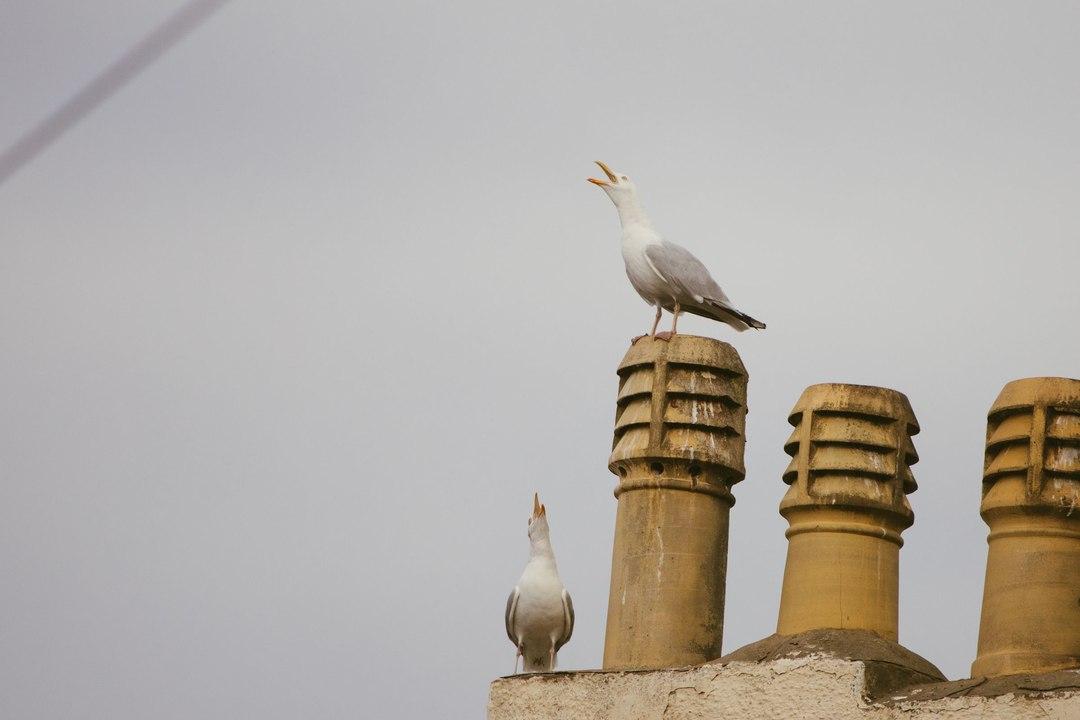
Our work at Rand Chimney Sweep starts with what gets into a chimney, and flashing leaks are often part of that story. Birds pull at loose sealant to line their nests. Squirrels gnaw the soft edges of old patches. Raccoons climb the chimney using the flashing as a foothold and bend it away from the brick. Rats find gaps in flashing that has lifted and get into the attic through them. When we find a leak, we often find a way in for an animal too.
The cricket and the leaves
A wide chimney sitting across a sloped roof makes a dam. Water and leaves running down the roof collect in the corner behind it. Leaves, seed pods and blossom from the street trees pile up there, hold water against the metal and the brick, and rot. Birds love the damp pile. And eventually the water finds a way under the flashing.
A cricket is a small sloped frame, built on the high side of the stack and covered in roofing, that splits the flow so water and leaves run around the chimney instead of collecting behind it. It costs $460 to $1,040 on its own. If the flashing around the base is also worn out, we replace it at the same time, and the combined job costs $695 to $1,700. Doing both together costs less than doing them in two visits, because the roofing around the stack only has to come up once.
How we find the leak
We start on the roof. We look at the flashing, the crown, the cap and the brick, and we look for animal damage. Then we go into the attic and follow the water stains back toward the chimney. If the source still is not clear, we run water on the roof in sections and watch from the attic.
The leak repair range of $580 to $3,450 covers that search and the repair. The low end is a single failed seal or a short section of flashing. The biggest job is a leak that has more than one source, or flashing that has to be rebuilt all the way round.
What decides your price
- How wide the chimney is. Wider stacks need more metal and, on a slope, usually a cricket.
- What the roof is made of. Asphalt shingle is easiest. Clay or concrete tile has to be lifted carefully and costs more.
- How many sources there are. Many leaks come from two or three places at once.
- What else has failed. A cracked crown or no cap means water also gets in from the top.
To get a written figure for your roof, use the form at the top of this page. Tell us where the water shows up in the house, which rains bring it, and whether you have heard anything moving near the chimney. We will set up a visit and give you a price before any roofing comes up.
Questions about leaks
Can you just put more sealant on it? Sometimes that is the right repair for a small crack. Usually it is a short-term fix and we will tell you so.
Will the roofer handle this? Some roofers do flashing well. Others do not work on chimneys. We do flashing, crickets, caps and the chimney itself, so one visit covers all of the places water can get in.
Do I need a permit? Usually not for flashing. A cricket can count as roof work in some cities; we check before we start.
Can I wait until summer? You can, but water damage grows. Wet wood rots, and a soft spot in the attic invites rats.
Seeing a stain after the first storm of the season in Buena Park? Head to the contact page and tell us where it is; we will start on the roof.
Is Something Living in Yours?
Rand Chimney Sweep clears out what moved in, shows you how it got there and fits a screened cap to close it off. Crews go out from Buena Park to Cerritos, La Habra, Garden Grove, Placentia and the cities around them.