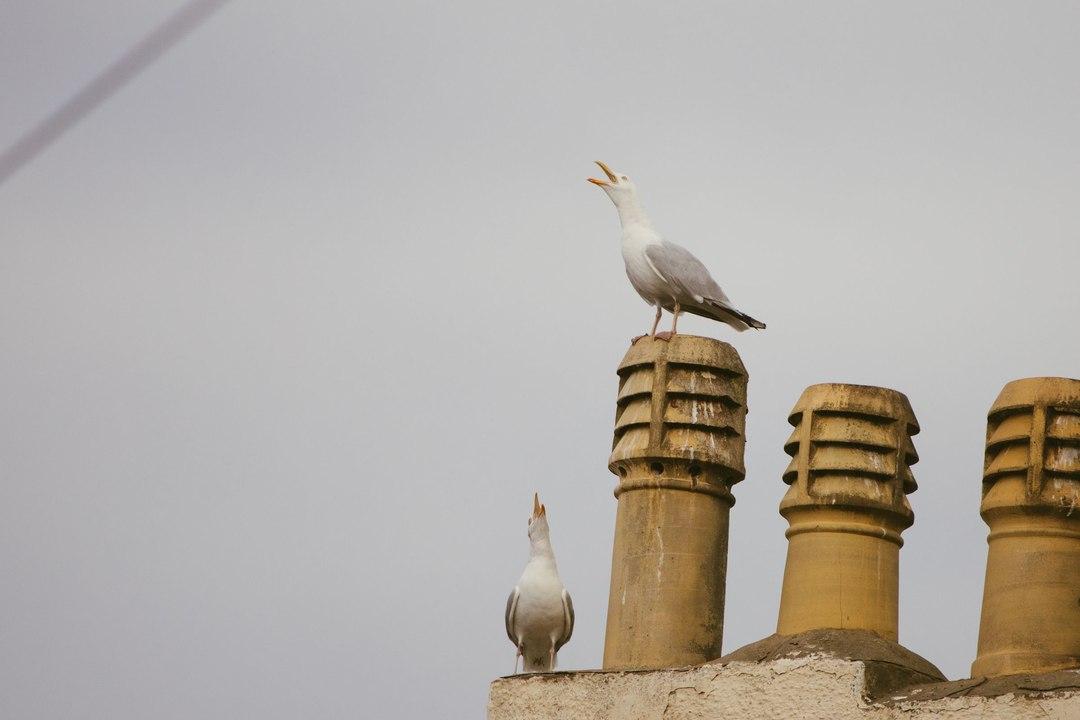
The visitors an open flue collects
Most owners in Buena Park learn their chimney has no cap from some other clue. A pair of starlings flying past the kitchen window with straw in their beaks. A thump and a scrabble behind the living room wall at five in the morning. A smell like a wet pet carrier on the first warm afternoon of spring. Leaves piled on the damper plate, or a dead sparrow on the grate the night you meant to light a fire.
An open flue is a dry, sheltered shaft that sits out of reach of cats and dogs. To a raccoon hunting for a den or a bird hunting for a nest site, it is a free apartment. A cap closes the front door. It is the job we do more than any other. This post walks through what sets its price.
What sets the price of a cap
A cap from Rand Chimney Sweep is quoted after we measure the flue. The word "cap" covers a small stainless hood clamped to one clay tile. It also covers a made-to-order cover for a stack with four flues on a two-story house.
| Cap | Effect on the price |
|---|---|
| One stainless hood fixed to a single flue tile | Simplest job |
| A hood on each of two flues sharing one stack | Roughly twice one hood, plus roof time |
| One wide lid spanning the whole crown and every flue under it | Costs more |
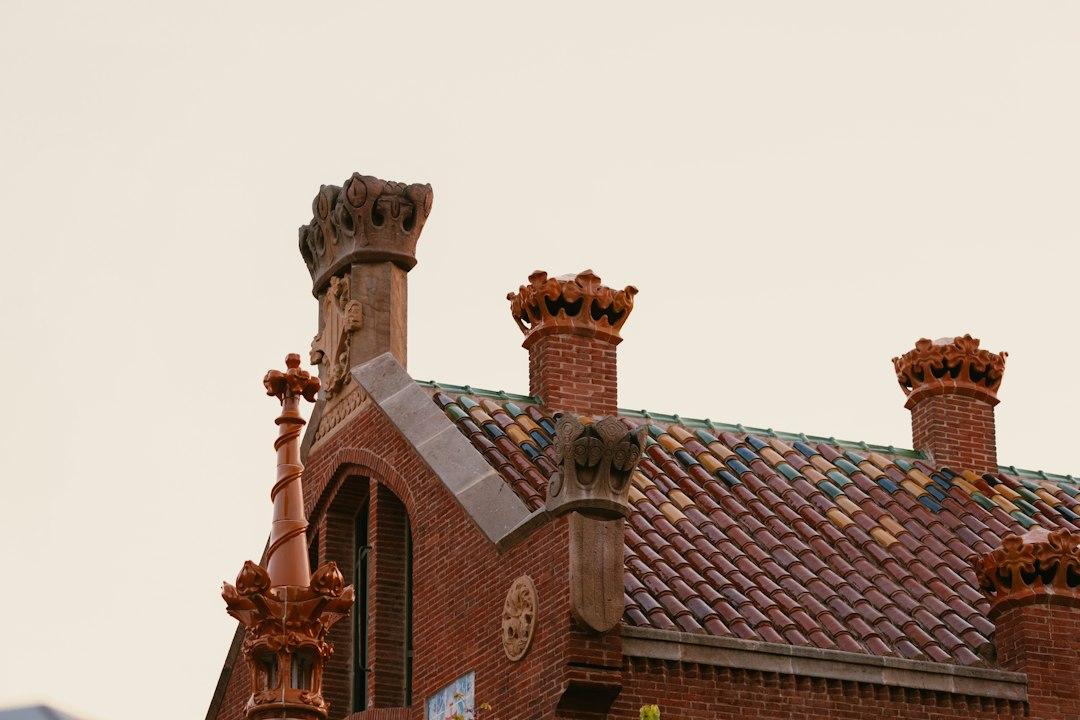
| A made-to-measure lid for an odd crown, a tall stack or copper | Costs the most |
Inside each of those lines, a few things move the figure:
- Tile shape and height. A standard square tile takes a stock hood. An oval tile, a chipped tile edge, or a tile that barely clears the crown needs a cap that fastens a different way.
- Openings on top. Plenty of tract houses here have one fireplace and one flue. Homes where a furnace or water heater shares the stack may show two or three openings, and every one of them is a doorway for a bird.
- Metal. Stainless steel is what most homes get. Copper costs more and is picked for looks. We do not fit painted galvanized hoods; near the coast they rust through within a few winters.
- The roof itself. A low slope over a single-story ranch house is quick. A steep tile roof, a second story or a stack that rises well past the ridge takes more setup and more care.
- What is under the cap. A cracked crown is worth knowing about before we bolt anything onto it. We tell you, and the crown work gets its own written price.
Why we look down before we fasten anything
Closing a chimney with an animal still in it is the worst result, for the animal and for you. A raccoon shut in under a new cap will make itself heard, loudly, and if nobody gets it out it will die in there. Birds that nest in spring often leave chicks behind for weeks.
So every cap visit starts with a light shone down from the top and a look up from the firebox. If there is a nest, it comes out first. If there is an animal, we stop and talk to you about getting it out before the cap goes on; our post on raccoons and birds in the flue explains how that usually goes. If the shaft is coated in soot and old nest litter, it needs a sweep before anyone lights a fire, priced from $435.
The mesh is what keeps them out
People picture a cap as a tiny roof that keeps rain off. It does that. For an animal problem, though, the side walls do the real work. The openings in the mesh have to be tight enough that a squirrel or a sparrow cannot squeeze through, and open enough that smoke leaves without curling back into the room. Good stainless mesh keeps its shape for years. The thin mesh on flimsy caps sags, splits at the corners or gets pushed in by a stubborn raccoon, and then you own a cap with a hole in it.
We fasten every cap so it cannot be lifted off. Raccoons are strong and patient, and a hood that sits loose on a tile is one they learn to tip over.
That same mesh catches embers. During a Santa Ana wind, a spark leaving an open flue can land on a neighbor's shingles or a dry palm. A screened top keeps it inside the shaft.
Getting a written figure for your roof
The number for your house depends on your stack. Use the form at the top of this page and tell us how many openings you can count on top of the chimney from the street, and what has been coming down it: twigs, feathers, noise, smell. We will book a visit, look at the flue and the crown, and hand you one written price before anything is fitted.
What owners ask us about caps
Will a cap hurt the draft? A cap of the right size with clear mesh does not choke a fireplace. Draft trouble after a cap goes on usually means the mesh has clogged with soot or leaves, and that is a cleaning job, not a design flaw.
My fireplace burns gas. Does it still need one? Yes. Birds cannot tell a wood flue from a gas vent. A nest in the vent above a gas fireplace is the more dangerous find, because the exhaust it traps has no smell and no color.
How long will a stainless cap last? Many years on most roofs in Buena Park, and far longer than galvanized. Salt air closer to the beach shortens the life of any metal, which is the reason we stick to stainless.
Will you look at the flashing while you are up there? On every visit. If the metal at the base is lifting or the sealant has cracked, we say so; our post on flashing leaks and crickets covers those prices.
Can the old cap be reused? Sometimes. If the frame is sound and only the mesh is torn, we may be able to refit it. If it has rusted at the base, a new one is cheaper over time.
If something keeps moving into your chimney, the contact page is the quickest way to get us onto the roof before the next tenant signs a lease.
Is Something Living in Yours?
Rand Chimney Sweep clears out what moved in, shows you how it got there and fits a screened cap to close it off. Crews go out from Buena Park to Cerritos, La Habra, Garden Grove, Placentia and the cities around them.