Not every chimney is masonry
Drive through the newer tracts around Buena Park and look at the rooftops. A lot of those chimneys are not brick at all. They are boxes of two-by-fours skinned in stucco to match the house, with a metal flue pipe running up the middle. On top sits a flat steel lid, the chase cover, with a hole for the flue and a small cap over the pipe.
That steel lid is the only thing between your framing and the weather. When it rusts, it lets water into the box. When it rusts through, it lets in more than water.
How we find out a cover has failed
Owners usually notice one of these:
- Orange or brown streaks running down the stucco below the top of the chase.
- A water stain on the ceiling or wall near a prefab fireplace.
- Rust flakes, or worse, rusty water, landing in the firebox.
- Wasps flying in and out at the top of the box.
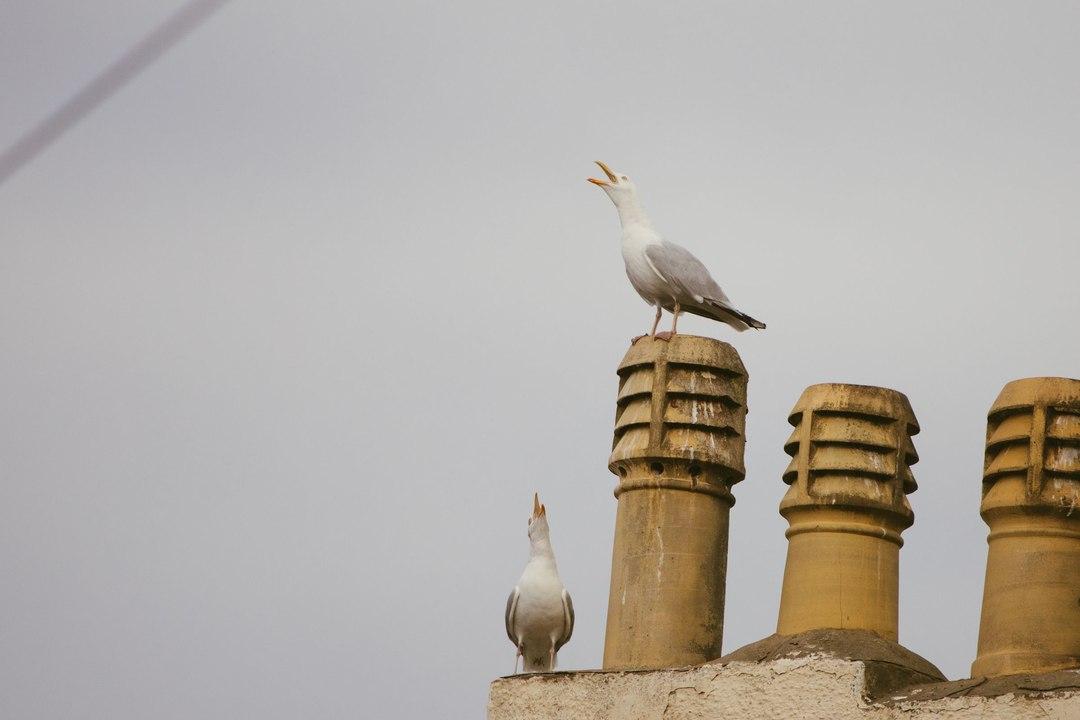
- Birds landing on the chase and disappearing into it.
- Scratching or squeaking inside the wall next to the fireplace.
The last three are the ones we hear about most. A chase cover that has rusted at the corners or around the flue hole opens a gap into a dry, insulated, wooden box. To a bird, a rat or a family of squirrels, it is better than any nest box. Once inside, they can reach the attic.
Why chase covers rust
Most original covers on builder-grade homes were thin galvanized steel. They were often flat, or close to it, so rain sat in a puddle on top. The zinc coating wore away, the steel rusted, and the puddle got deeper as the middle sagged. Given enough winters, most of them give out. In Buena Park, with winter rain and the salt air drifting inland from the coast, the clock runs faster.
A replacement cover from us is made from stainless steel, built to your chase, with a slope or a raised center so water runs off rather than sitting. The edges bend down over the walls of the box and kick out at the bottom, so rain leaves the metal before it can streak the stucco. The collar around the flue is sealed, and a new screened cap goes on the pipe.
What the visit covers
When we come out for a chase cover, we check:
- The cover itself: rust, holes, sag, loose fasteners.
- The framing at the top of the chase: soft or rotted wood.
- The flue pipe and its cap: rust, damage, missing screen.
- The inside of the chase if we can see in: nests, droppings, chewed insulation, wasp nests.
- The siding or stucco below: cracks, stains, gaps.
- The firebox: rust stains, debris, signs of water.
If an animal has moved in, it comes out before the new cover goes on. If the framing at the top has rotted, that has to be repaired first, or the new cover has nothing solid to sit on.
What it costs
Chase covers do not have a fixed price on our list, because the jobs differ more than most. The size of the chase, the shape of the top, whether there is one flue pipe or two, the state of the framing, and what is living inside all change the work. We measure on the visit and send one written figure for the cover, the cap and any framing or animal work, before anything is ordered.
What we can price in advance:
- A Level 1 inspection to see what is going on: $170.
- A screened cap for the flue pipe, if that is all that is needed: quoted after we measure, and the price depends on the size and type.
- A sweep of the flue if animals or debris got into it: from $435.
For a full price, use the form at the top of this page. Tell us whether your chimney is brick or a stucco box, what you have seen running down the outside, and whether you have heard anything inside the wall. We will measure, check for animals, and send you a written quote.
Why this is our kind of job
Rand Chimney Sweep leads with what gets into chimneys. A failed chase cover is one of the main ways in for birds, rodents and insects on newer homes. Fixing the cover without dealing with the nest, or clearing the nest without fixing the cover, only solves half the problem. We do both in the same visit.
Questions about chase covers
Can you patch the old cover instead of replacing it? If the rust is light and only on the surface, sometimes. Usually, by the time you see stains, the steel is too thin to patch.
Will a new cover stop the leak? If the cover was the cause, yes. Water can also get in through cracked siding or a failed seal around the flue. We check those at the same time.
Is copper an option? Yes. Copper costs more and is chosen for looks. Stainless is what we fit on most homes.
Do I need a permit? Usually not for a cover replacement, since it does not change how the fireplace vents. If the framing needs major repair, we check with the city.
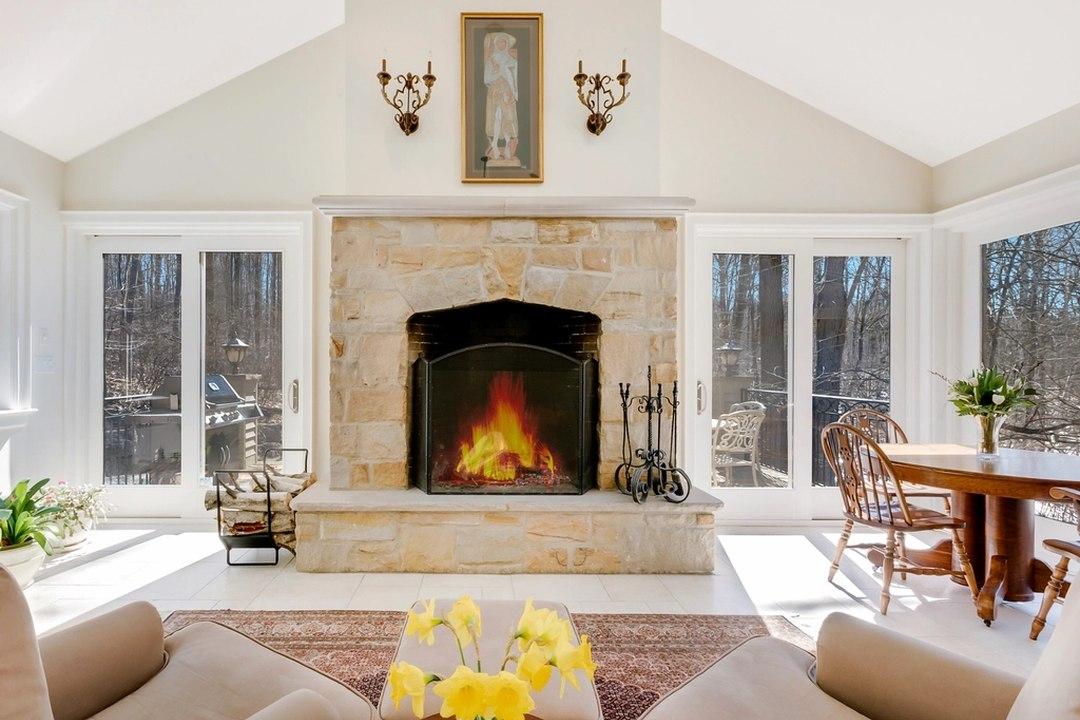
Do you work on prefab fireplaces inside the house too? Yes. We look at the firebox and the flue on every visit. See our chase cover page for more.
Rusty streak on the stucco, or a bird vanishing into the top of the box? The contact page is where to send it, and we will come and measure.
Is Something Living in Yours?
Rand Chimney Sweep clears out what moved in, shows you how it got there and fits a screened cap to close it off. Crews go out from Buena Park to Cerritos, La Habra, Garden Grove, Placentia and the cities around them.