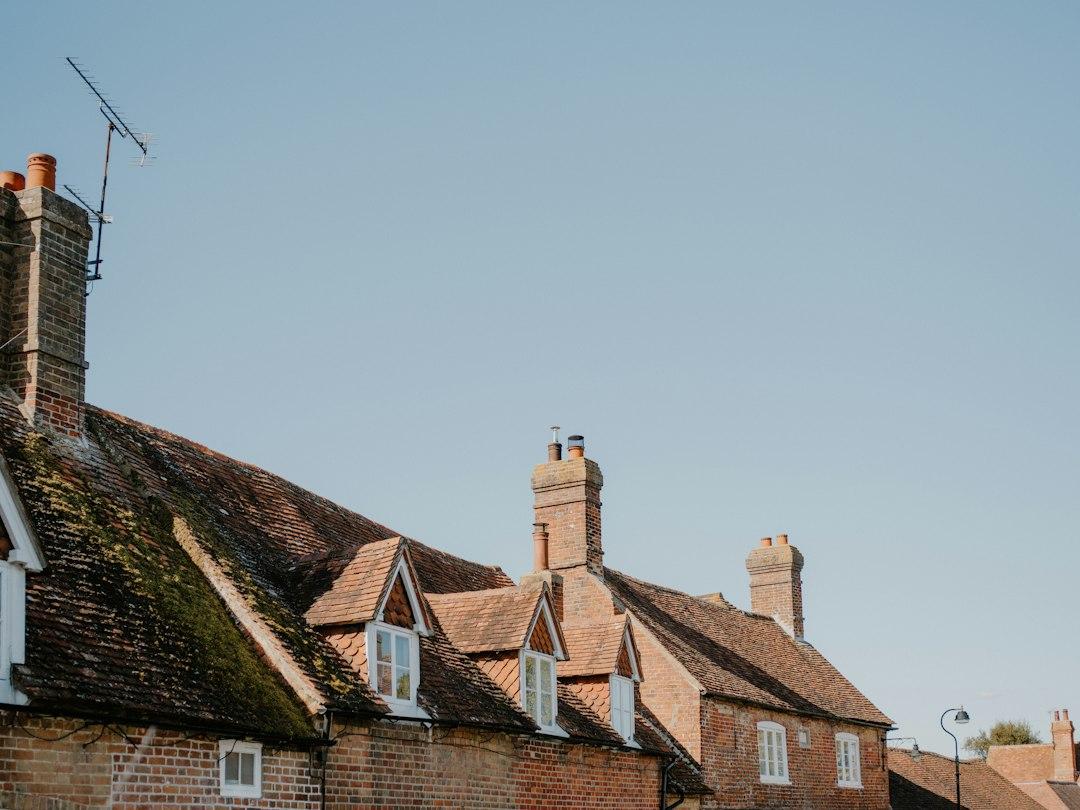
The postwar house and its chimney
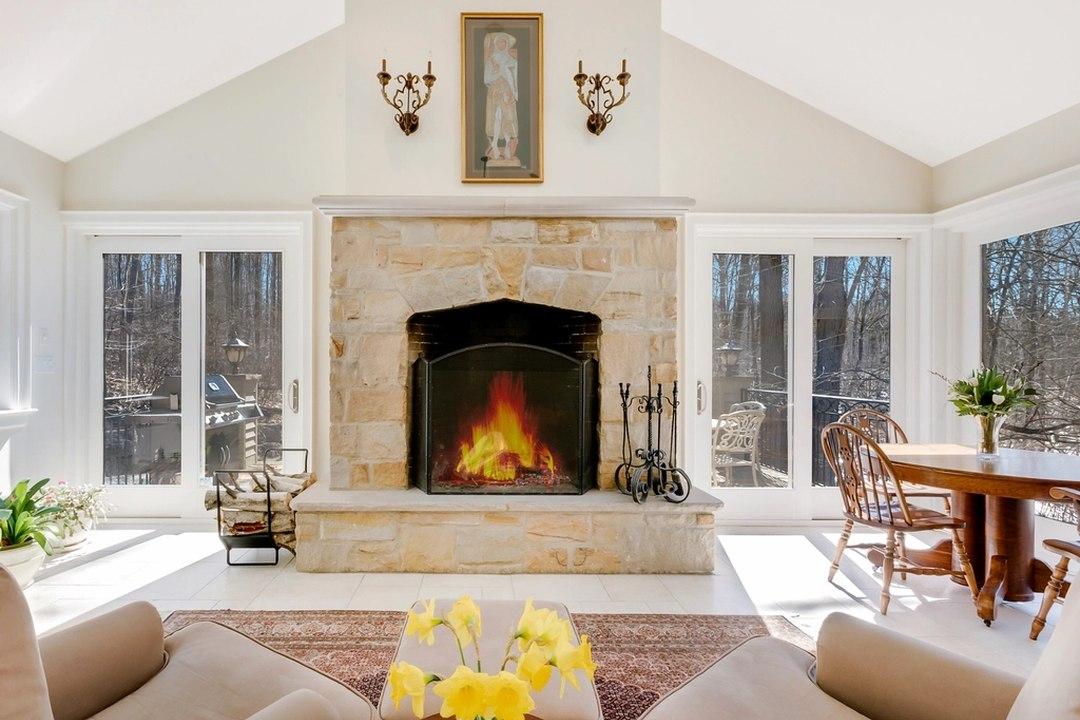
Much of Buena Park was built out in the decades after the war: single-story ranch homes, many with a brick fireplace on the living room wall and a chimney rising through the roof. Those chimneys are now well past fifty years old. Some have been used every winter. Some have not been lit since the first owners moved out. Many have had birds, squirrels or raccoons living in them at some point.
If you are buying one of these houses, the chimney is a part that your general inspection will not fully answer. This post explains what the rules say, what a chimney inspection covers, what it costs, and why we think a camera is worth it on a house this age.
What the standard says
The chimney trade mostly works to NFPA 211, published by the National Fire Protection Association. Think of its inspection tiers as a ladder. The bottom rung is a careful look at whatever is in plain reach: firebox, damper, the bit of flue a light can show, the outside of the stack. One rung up, the camera comes out. It travels from the smoke shelf to the top, and we also check the chimney wherever it shows in the attic or under the floor. The top rung is for a hidden fault that only demolition can reach, such as cutting into a wall, and it almost never comes up on a sale.
A change of owner is one of the moments the standard singles out for the middle rung. That makes sense when you are the buyer. You have no record of what the last owners burned, how hard they ran it, or what moved in while nobody was looking.
Why older houses need the camera
In a house built before 1980, the flue is usually clay tile: short sections stacked on top of each other with mortar joints between them. Those joints crack, shift and lose mortar over time. Heat, water and age all play a part, and so does the ground. A house this old has felt Whittier Narrows in 1987 and the 1994 quake, and a tile knocked a quarter inch out of line by either one has sat there ever since. A gap like that lets heat leak toward joists and studs. From the hearth, you would never know.
Animals add another layer. A flue that held a nest, or that a raccoon used as a den, often has debris on the smoke shelf and scratches on the tile. In a house that has stood empty during a sale, a new nest can appear in a single spring; a quiet, unlit flue is exactly what a starling is shopping for.
What our inspection covers
On a pre-1980 house, our Level 2 visit includes:
- The firebox, the hearth and the face of the fireplace.
- The damper: whether it opens, closes and seals.
- The smoke shelf: debris, nests, droppings.
- The full flue on camera, tile by tile.
- The chimney in the attic where it can be reached.
- The roof: crown, cap, flashing, brick.
You get a written report with photos, a summary of what we found, and the repair we would make for each item.
What it costs
| Visit | Price |
|---|---|
| Camera inspection of the whole flue, with written report | $405 |
| Hearth and roof look without camera | $170 |
On a sale of an older house, we recommend the camera inspection. If the report calls for repairs, those are priced on their own. A sweep is from $435 and leak repair is $580 to $3,450. A cap is quoted after we measure. Relining, crown work and the rest have no list price; we put a figure for each on paper and you decide.
To book, use the form at the top of this page. Tell us the address, roughly when the house was built, and the names of anyone who should get a copy of the report. We will set up the visit with you or your agent.
For sellers
If you are selling, a camera inspection before listing gives you the chance to fix what you find, or to show buyers a report up front. It also lets you deal with any animals before showings. A house with a nest in the chimney does not show well.
Questions from buyers
My home inspector said the fireplace looked fine. Do I still need this? Your general inspector had the whole house to cover in one visit, and a chimney gets a line or two. Nobody on that visit sends a camera up the tile, and on a flue this old the tile is the question.
Can the inspection happen before closing? Yes. We work with buyers and agents during escrow.
What if we find a problem? Then you are negotiating with photos instead of a hunch. What you ask the seller for, if anything, is up to you and your agent.
Do you inspect gas fireplaces? Yes. Many older homes in Buena Park have had gas logs put into the original brick fireplace. The flue still needs to be clear and sound.
Who else reads my report? Only you and the people you name when you book. If the seller is to see it, that is your choice to share.
More on the inspection itself is on our Level 2 inspection page, and agents can see our process for agents.
Found the house? Send the address through the contact page and we will put a camera up that old flue before you sign the last page.
Is Something Living in Yours?
Rand Chimney Sweep clears out what moved in, shows you how it got there and fits a screened cap to close it off. Crews go out from Buena Park to Cerritos, La Habra, Garden Grove, Placentia and the cities around them.